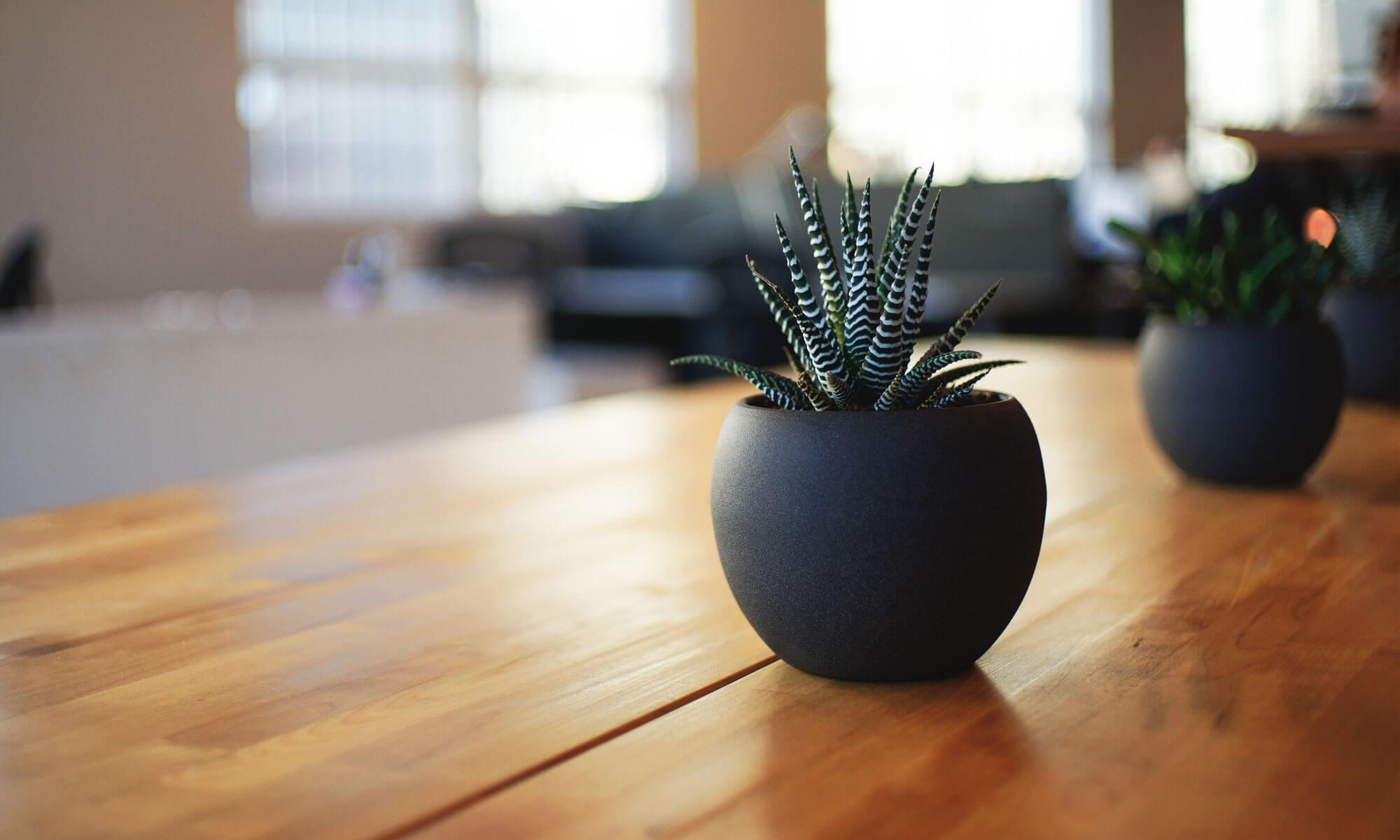
- Elegant interiors and askforthemoon.co.uk inspire beautiful, comfortable home living spaces
- The Art of Layered Textures and Materials
- Choosing the Right Palette for Texture Enhancement
- The Importance of Lighting in Interior Spaces
- Layering Lighting for Optimal Effect
- Maximizing Space with Smart Furniture Choices
- The Role of Vertical Space in Small Interiors
- The Enduring Appeal of Natural Elements
- Cultivating a Personal Aesthetic: Beyond Trends
Elegant interiors and askforthemoon.co.uk inspire beautiful, comfortable home living spaces
Creating a home that feels both beautiful and comfortable is a desire shared by many. It's about more than just aesthetics; it's about crafting a space that nurtures well-being and reflects personal style. The pursuit of this harmonious balance often leads individuals to explore innovative design resources and inspirational platforms. One such resource gaining recognition for its carefully curated collection of interior pieces is askforthemoon.co.uk, a destination dedicated to elevating the home living experience. They offer unique and stylish items designed to transform houses into havens.
The modern approach to interior design emphasizes individuality and the seamless integration of functionality and beauty. It’s no longer simply about following trends, but rather about developing a personal aesthetic that resonates with one's lifestyle and values. This shift has driven demand for unique pieces and a broader range of styles, catering to diverse tastes and preferences. Finding the right elements to achieve this personalized look can be challenging, but platforms dedicated to offering a curated selection of homewares, like those found at askforthemoon.co.uk, are becoming increasingly valuable resources for homeowners and design enthusiasts alike. These platforms showcase a range of pieces, from statement furniture to subtle decorative accents, allowing customers to find the perfect items to complete their vision.
The Art of Layered Textures and Materials
Achieving a sophisticated and inviting interior often relies on the skillful layering of textures and materials. A room composed solely of hard surfaces can feel cold and unwelcoming, while a space lacking any visual contrast can appear flat and uninspired. Incorporating a variety of textures – think plush velvet, rugged linen, smooth wood, and gleaming metal – adds depth and dimension, creating a more engaging and tactile experience. This approach isn’t about overwhelming the space with different elements, but rather about carefully selecting materials that complement each other and contribute to a cohesive aesthetic. Consider the interplay between warm and cool tones, smooth and rough surfaces, and matte and glossy finishes to create a visually stimulating and harmonious environment. The success of this layering technique depends on careful consideration of color palettes and a consistent design theme throughout the space. A neutral base allows for bolder accents in texture, while a more vibrant color scheme may benefit from a more subdued approach to tactile elements.
Choosing the Right Palette for Texture Enhancement
The color palette plays a crucial role in enhancing the impact of layered textures. Neutral tones, such as grays, beiges, and whites, provide a versatile backdrop that allows textures to take center stage. These colors won't compete with the visual interest created by different materials, allowing their tactile qualities to shine. Conversely, bolder colors can be strategically used to highlight specific textures. For example, a deep jewel tone like emerald green or sapphire blue can accentuate the luxurious feel of velvet, while a warm terracotta color can complement the natural texture of linen or woven fabrics. When working with a colorful palette, it's essential to maintain a sense of balance and avoid overwhelming the space. Consider using color blocking techniques or incorporating neutral accents to create visual breathing room. The objective is to create a harmonious blend of colors and textures that feels both inviting and visually appealing.
| Soft & Plush | Velvet, Faux Fur, Chenille | Jewel Tones, Warm Neutrals |
| Rustic & Natural | Linen, Woven Rattan, Reclaimed Wood | Earthy Tones, Soft Whites |
| Smooth & Polished | Marble, Glass, Metal | Cool Grays, Deep Blues |
| Rough & Textured | Brick, Stone, Concrete | Warm Neutrals, Soft Pinks |
The interplay of different materials and finishes is key to creating a dynamic and engaging interior. Choosing the right combination can elevate a simple space into something truly special, transforming a house into a home.
The Importance of Lighting in Interior Spaces
Lighting is often considered one of the most crucial elements of interior design, and for good reason. It has the power to dramatically alter the mood and ambiance of a room, highlight architectural features, and showcase artwork and decorative objects. Beyond simply providing illumination, lighting can be used to create depth, dimension, and a sense of warmth and inviting comfort. A well-lit space feels more open and spacious, while strategically placed lighting can draw the eye to specific areas, creating focal points and points of visual interest. It’s important to consider not only the overall brightness of a room but also the type of lighting used. Different types of lighting – ambient, task, and accent – serve different purposes and contribute to the overall functionality and aesthetic appeal of a space. Ignoring the importance of lighting is a common mistake that can significantly detract from even the most beautifully furnished interior.
Layering Lighting for Optimal Effect
To achieve optimal lighting, it's essential to layer different types of light sources. Ambient lighting provides overall illumination, creating a foundation of brightness throughout the room. Task lighting focuses light on specific areas for activities like reading or cooking, while accent lighting highlights architectural features or showcases artwork. Combining these three types of lighting creates a dynamic and versatile lighting scheme that can be adapted to different moods and activities. For instance, a living room might incorporate recessed lighting for ambient illumination, a floor lamp for task lighting near a reading chair, and spotlights to highlight a piece of art. Using dimmers allows for further control over the intensity of light, enabling you to create a range of atmospheres, from bright and energizing to soft and relaxing. The strategic placement of light fixtures is also crucial. Consider the angle of light, the intensity of the bulb, and the overall effect you want to achieve. Experimenting with different lighting options is the best way to discover what works best for your space and personal preferences.
- Ambient lighting: Recessed lights, chandeliers, pendant lights.
- Task lighting: Desk lamps, under-cabinet lights, reading lamps.
- Accent lighting: Spotlights, track lighting, wall sconces.
- Color Temperature: Warm tones for cozy spaces, cool tones for focused areas.
Investing in a well-designed lighting scheme is an investment in the overall comfort and enjoyment of your home, and can be a key element when embracing home inspiration and stylish living.
Maximizing Space with Smart Furniture Choices
In today’s world, particularly in urban environments, maximizing space is often a top priority. Clever furniture choices can transform a small or cramped living area into a functional and stylish space. The key is to select pieces that serve multiple purposes, are appropriately scaled for the room, and contribute to a sense of openness and flow. Bulky, oversized furniture can quickly overwhelm a small space, making it feel even more confined. Instead, opt for streamlined silhouettes, lightweight materials, and pieces with built-in storage. Modular furniture, such as sectionals and ottomans, offers flexibility and allows you to customize the layout to suit your needs. Multi-functional furniture, like sofa beds and coffee tables with lift-up tops, provides added convenience and reduces clutter. Carefully considering the placement of furniture is also essential. Avoid blocking doorways or windows, and leave enough space to move freely around the room. Using mirrors strategically can create the illusion of more space and reflect light, making the room feel brighter and more open.
The Role of Vertical Space in Small Interiors
When floor space is limited, it's important to utilize vertical space effectively. Tall bookshelves, wall-mounted cabinets, and floating shelves can provide ample storage without taking up valuable floor area. Drawing the eye upwards creates a sense of height and spaciousness. Hanging artwork or installing a statement chandelier can also draw attention to the ceiling, making the room feel more open and airy. Consider using curtains that extend from the ceiling to the floor to create the illusion of taller windows. Utilizing vertical space doesn’t just apply to storage. Tall, slender plants can add life and vibrancy to a room without occupying much floor space. By maximizing the use of vertical space, you can transform a small, cramped interior into a functional and stylish living area.
- Choose multi-functional furniture.
- Utilize vertical storage solutions.
- Opt for streamlined silhouettes.
- Employ mirrors to create the illusion of space.
Effective space planning and smart furniture choices are essential for creating a comfortable and functional home, regardless of its size. Thoughtful design can transform even the smallest spaces into stylish and inviting havens.
The Enduring Appeal of Natural Elements
In an increasingly digital and fast-paced world, there's a growing desire to reconnect with nature and bring the outdoors in. Incorporating natural elements into interior design creates a sense of calm, tranquility, and well-being. From plants and flowers to natural materials like wood, stone, and cotton, these elements add texture, warmth, and a touch of organic beauty to any space. The benefits of bringing nature indoors extend beyond aesthetics. Plants purify the air, reducing toxins and improving air quality. Natural materials are often more sustainable and environmentally friendly than synthetic alternatives. And simply being surrounded by natural elements can have a positive impact on our mood and mental health. This trend is reflected in the popularity of biophilic design, which seeks to create spaces that mimic the natural environment, fostering a deeper connection between people and nature. The integration of natural elements isn't about creating a rustic or overly "natural" look, but rather about incorporating these elements in a subtle and sophisticated way.
Cultivating a Personal Aesthetic: Beyond Trends
While staying informed about current design trends can be inspiring, it's crucial to cultivate a personal aesthetic that reflects your individual style and preferences. Blindly following trends can result in a space that feels generic and lacks personality. Instead, focus on creating a home that tells your story and expresses your unique identity. This involves identifying your favorite colors, textures, patterns, and styles, and incorporating them into your design scheme. Consider what makes you feel comfortable and inspired, and prioritize those elements. Don't be afraid to experiment and mix different styles. A blend of modern and vintage, or rustic and contemporary, can create a unique and eclectic look. Surrounding yourself with objects that you love and that have personal meaning will instantly make your home feel more welcoming and authentic. It’s a journey of discovery, guided by intuition and personal taste, resulting in a home that truly feels like you. Platforms like askforthemoon.co.uk, with their diverse offering, represent a starting point, facilitating that journey by offering choices for individuals to express themselves through their living spaces.